Turf Grass and Lawn Alternatives
When you think about a lush green lawn, what does that mean to you? For many people, it is a part of their home, a place for their pets, a place to gather with family and friends. It could bring…
Water has been used for irrigation in Montana for over 150 years. Irrigation ditches flow across many Montana landscapes and play a critical role in providing water for agriculture. These ditches also recharge groundwater and wetlands, create wildlife habitat, and…
As the first signs of spring begin to emerge, March brings with it an important opportunity to recognize and celebrate the backbone of our communities—our farmers, ranchers, and agricultural workers. Agriculture Appreciation Month serves as a time to reflect on…
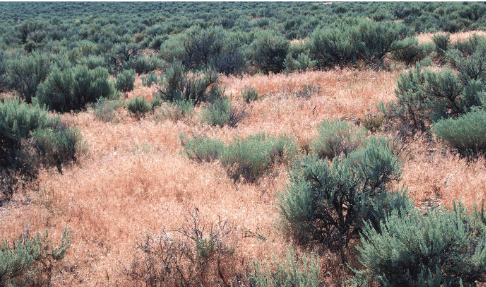
With warmer winter conditions and spring just around the corner, it’s time to start thinking about the invasive annual grasses in Montana. This article is a very broad overview of the impacts these invasive annual grasses have on Montana’s economy…
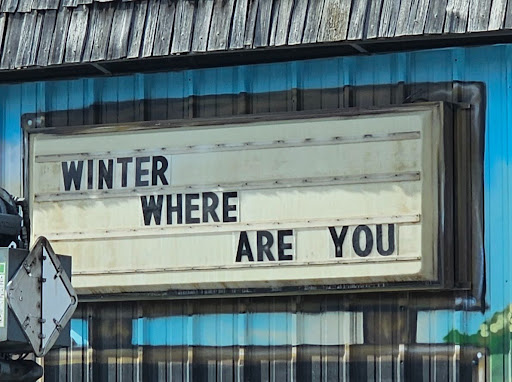
This winter has felt very different from what Montanans typically expect. Temperatures have been unusually warm, snowfall has been limited, and many of us have seen sights that would normally be unthinkable in January or February. I have friends who…
As the holiday season approaches, the Christmas tree remains one of the most recognizable symbols of winter celebrations. While often viewed as a modern tradition, the use of evergreen trees and branches dates back thousands of years. Ancient civilizations such…
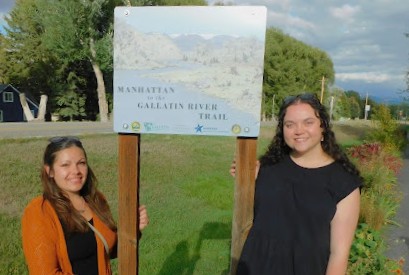
The Manhattan to Gallatin River Trail has received a thoughtful upgrade, thanks to a partnership between the Gallatin Conservation District (GCD) and the Manhattan Rotary Club. Newly installed interpretive signs now line the trail, offering visitors insights into the area’s…
As August arrives, Montana is in the heart of one of its most dangerous and unpredictable natural hazard periods—wildfire season. Stretching from late June through October, this season brings heightened risks to forests, grasslands, rural communities, and even suburban neighborhoods…
Bacon, lettuce, and tomato sandwiches—BLTs—are easy to make and hard to get wrong. Add a fried egg, and you’ve got a BELT. Add turkey, and it’s a BLTT. But one BLT stands out in my memory, and it all began…
Pollinators: The Tiny Workforce Behind Our Harvests We can thank pollinators for at least every third bite of food we eat. Approximately 75% of the world’s flowering plants and 35% of our food crops rely on animal pollinators to reproduce…