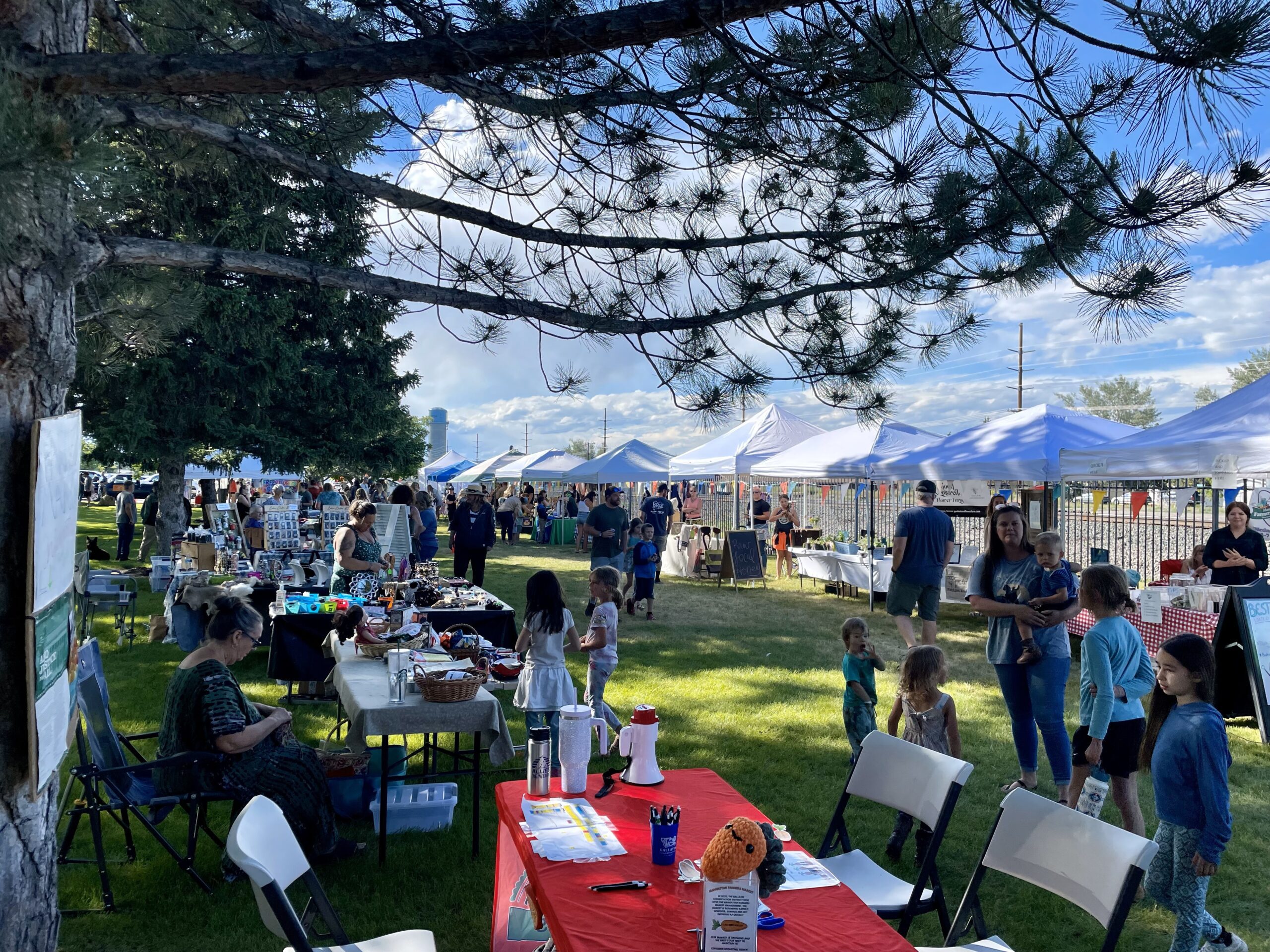
The Manhattan to Gallatin River Trail has received a thoughtful upgrade, thanks to a partnership…
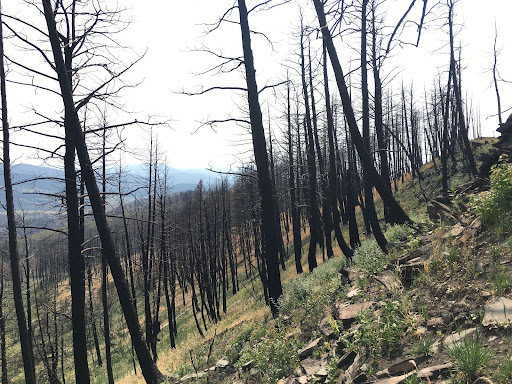
Montana Wildfire Season: Awareness, Preparedness, and Prevention
As August arrives, Montana is in the heart of one of its most dangerous and unpredictable natural hazard periods—wildfire season. Stretching from late June through October, this season brings heightened risks to forests, grasslands, rural communities, and even suburban neighborhoods. In recent years, warming temperatures, variable snowpack, and extended drought have fueled fires that are not only more frequent but also larger, faster-moving, and harder to predict. The combination of dry vegetation, high winds, and human activity means vigilance is essential for everyone who calls Montana home.
When Is Fire Season in Montana?
Fire season typically begins in late June but can arrive earlier depending on spring moisture, snowmelt, and fuel conditions. Peak fire activity usually occurs in July, August, and early September, when high temperatures and low humidity dry out vegetation. The season winds down in October, or when steady rain or snow returns.
Every year is different. In recent seasons, lightning storms and drought have fueled large wildfires even before Independence Day. In 2025, reduced snowpack and persistent spring winds have created earlier-than-average fire danger across much of the state.
What Causes Montana Wildfires?
While lightning is responsible for many of Montana’s largest and most remote wildfires, human activity is the leading cause of early-season ignitions. In fact, most preventable fires start with small sparks from everyday activities.
Common ignition sources include:
- Unattended campfires – Even a few glowing embers can reignite and spread.
- Sparks from vehicles or equipment – Hot exhaust systems, dragging tow chains, or grinding metal on rock can all start fires.
- Debris burning – Burning leaves, brush, or trash without proper clearance or supervision.
- Discarded cigarettes – Smoldering butts can ignite dry grass along roadsides.
- Fireworks and target shooting – Sparks from explosives or ammunition can easily start wildfires in dry vegetation.
Why These Fires Spread So Fast
In Montana’s hot, dry summers, even a single spark can become a dangerous wildfire within minutes, especially when winds are strong and humidity is low. Fine fuels such as dry grass ignite easily and burn rapidly, carrying flames into heavier fuels like brush or trees. Once established, a fire can spread across miles in a matter of hours.
Impacts of Wildfire in Montana
Wildfires affect far more than the land they burn. Their impacts reach into public health, ecosystems, and the economy, often long after the flames are out.
- Air Quality & Public Health: Wildfire smoke is one of Montana’s most significant seasonal air pollutants. Fine particulate matter from smoke can worsen asthma, trigger respiratory and cardiovascular problems, and reduce overall air quality. In recent years, “unhealthy” air quality days have occurred more frequently, sometimes even early in the season.
- Ecological Effects: Fire shapes Montana’s landscapes by clearing underbrush, influencing plant and wildlife populations, and altering soil composition. While some ecosystems benefit from fire, severe burns can damage watersheds, reduce habitat quality, and impact agricultural lands and grazing areas.
- Economic Impacts: Wildfires disrupt tourism, agriculture, and outdoor recreation. Prolonged fire seasons strain firefighting resources, close parks and trails, and can cause significant losses for ranchers, farmers, and small businesses.
Areas at Greatest Risk
Wildfire is a threat across all of Montana’s landscapes—from mountain forests to open prairie—but certain areas face elevated danger. Regions with dense vegetation, overgrown grasses, beetle-killed timber, or neighborhoods bordering wildlands (known as the wildland-urban interface) are particularly vulnerable.
In 2025, state fire officials are especially concerned about:
- The Bitterroot Valley and western timberlands – Heavy forest fuels and steep terrain make suppression challenging.
- Gallatin, Madison, and Jefferson counties – Rapid population growth in wildland-adjacent areas increases ignition risks.
- Central Montana grasslands – Dry grass fuels can carry fire quickly over large distances.
- Eastern plains – A wet spring has led to heavy grass growth, creating abundant fuel as it dries.
Preparing for Fire Season
Whether you live in a rural area, a small town, or the edge of a city, preparation can save property and lives.
- Create Defensible Space
- Clear dry brush, pine needles, and dead vegetation at least 30 feet from your home.
- Mow grass short and prune lower tree branches up to 6–10 feet.
- Store firewood and propane away from buildings.
- Harden Your Home
- Clean gutters and roofs regularly.
- Install ember-resistant vents and cover attic openings with 1/8” metal mesh.
- Replace flammable landscaping and building materials with fire-resistant options.
- Landscape with Fire Safety in Mind
- Plant selection: Choose fire-resistant plants with high moisture content; select deciduous trees over conifers.
- Hardscaping: Use stone, gravel, or other nonflammable materials for driveways, walkways, and retaining walls.
- Fuel breaks: Incorporate open areas or pavement to slow fire spread.
- Stay Informed and Ready
- Sign up for local emergency alerts and fire district updates.
- Prepare a “Go Bag” with documents, medications, clothing, food, and water.
- Make an evacuation plan that includes pets and livestock.
Preventing Human-Caused Fires
Most Montana wildfires can be prevented.
- Follow all burn bans and fire restrictions.
- Fully extinguish campfires—soak with water, stir, and repeat until cold.
- Avoid driving or parking on dry grass.
- Check tow chains and trailer parts for sparks.
- Use equipment early in the day when humidity is higher and winds are lower.
Fire Is a Natural Part of Montana
Wildfire has always been a part of Montana’s natural landscape. Many of our forests and grasslands evolved with fire, relying on it to clear dense undergrowth, recycle nutrients back into the soil, and create new habitat for wildlife. Periodic, low-intensity fires can promote healthy ecosystems, increase plant diversity, and reduce the buildup of fuels that feed more destructive blazes.
However, as more people live, work, and recreate in fire-prone areas, the nature and consequences of wildfire have changed. Development in the wildland–urban interface means that fires which once burned mostly in remote areas, now threaten homes, infrastructure, and community safety. Additionally, decades of fire suppression have allowed vegetation to accumulate, increasing the potential for intense, fast-moving wildfires.
By understanding the natural role of fire—and recognizing how human activity influences its behavior—we can take proactive steps to coexist safely with it. Through thoughtful land management, home hardening, defensible space, and prevention of human-caused ignitions, Montanans can help safeguard both the health of our ecosystems and the well-being of our communities and way of life.

Related Posts